



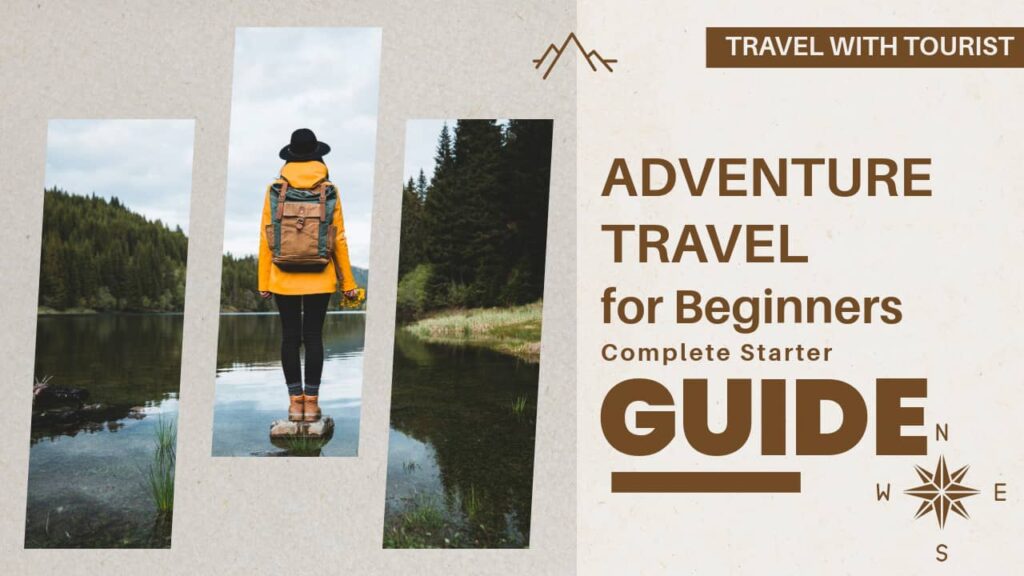
Adventure Travel for Beginners: Complete Starter Guide
Ready to trade your Netflix binges for mountain peaks and ocean depths?
You are not alone!
A staggering 73% of millennials say they would rather spend money on experiences than material things, and adventure travel is leading the charge.
But here is the thing – starting your adventure travel journey can feel overwhelming.
Where do you go?
What do you pack?
How dangerous is it really?
I have been there.
Standing at the base of my first mountain, wondering if I had completely lost my mind.
Spoiler alert: It was the best decision I ever made
Whether you are dreaming of hiking through misty forests, kayaking at crystal-clear lakes, or simply stepping outside your comfort zone, this complete guide will transform you from an adventure travel dreamer into a confident explorer.
So, let us dive in!
What is Adventure Travel? (Understanding the Basics)
Adventure travel is not just for adrenaline junkies with death wishes.
It’s about stepping outside your daily routine to experience something new, challenging, and transformative.
At its core, adventure travel combines physical activity, cultural immersion, and natural environments to create meaningful experiences that regular tourism simply can’t match.
The difference between adventure travel and regular tourism lies in engagement level.
While traditional tourism often involves passive observation (think sightseeing from a bus), adventure travel requires active participation.
You’re not just looking at that waterfall – you’re rappelling down it!
Adventure Travel Exists On A Spectrum:
- Soft Adventure: Low-risk activities requiring minimal experience (day hiking, cultural tours, wildlife watching)
- Hard Adventure: High-risk activities demanding significant skill and preparation (mountain climbing, whitewater rafting, extreme skiing)
Most beginners start with soft adventures and gradually progress.
There is no shame in starting small – every expert was once a beginner who took their first nervous step into the unknown.
Common misconceptions that hold people back include believing you need to be an Olympic athlete, have unlimited budgets, or risk life and limb.
The truth?
Adventure travel is incredibly accessible.
You can start with a day hike in your local park or a guided kayaking trip at a nearby lake.
The benefits extend far beyond Instagram photos. Adventure travel builds confidence, resilience, and problem-solving skills.
It pushes you to discover capabilities you never knew you had while creating memories that last a lifetime.
Assessing Your Adventure Readiness (Know Before You Go)
Before booking that mountain expedition, let’s honestly assess where you stand.
This isn’t about crushing your dreams – it’s about setting yourself up for success!
Fitness Level Evaluation: Start with basics.
Can you walk up three flights of stairs without gasping?
Great! You’re ready for day hiking.
Can you bike for 30 minutes?
Perfect for cycling tours.
The key is matching activities to your current fitness level, not where you think you should be.
Use this simple test: If you can comfortably do an activity for 30 minutes longer than your planned adventure duration, you’re ready.
Planning a 2-hour hike?
You should be comfortable walking for 2.5 – 3 hours.
Understanding Your Risk Tolerance: Adventure travel involves calculated risks, but they’re manageable with proper preparation.
Ask yourself:
- How do you handle unexpected situations?
- Are you comfortable with some physical discomfort?
- Can you adapt when plans change?
- Do you panic in new environments?
Honest self-assessment helps you choose appropriate adventures and preparation strategies.
Identifying Your Motivations: Why do you want adventure travel?
Common reasons include:
- Escaping routine and comfort zones
- Building confidence and self-reliance
- Connecting with nature
- Creating meaningful memories
- Challenging yourself physically and mentally
- Meeting like-minded people
Understanding your “why” helps you choose adventures that align with your goals and maintain motivation when challenges arise.
Setting Realistic Expectations: Your first adventure will not be a National Geographic documentary.
Expect:
- Some discomfort and challenges.
- Weather that might not cooperate.
- Sore muscles and tired feet.
- Moments of doubt (completely normal!).
- Incredible sense of accomplishment.
Setting realistic expectations prevents disappointment and helps you appreciate the journey, not just the destination.
Types of Adventure Travel Perfect for Beginners
Let’s explore adventure options that will not require Navy SEAL training or trust fund finances!
Soft Adventure Activities
Day Hiking and Nature Walks: Perfect starting point for adventure travel beginners.
Day hiking requires minimal gear investment and lets you test your fitness level without major commitments.
Start with well-marked trails in local parks or state forests.
Most day hikes offer escape routes if you need to turn back early.
Guided Kayaking and Canoeing: Water adventures provide full-body workouts while being relatively low-impact.
Guided trips include equipment, safety briefings, and professional supervision.
There are many operators offer half-day trips perfect for testing your comfort level on the water.
Cycling Tours and Bike Adventures: Explore destinations at your own pace while getting great exercise.
Tour companies offer support vehicles, so you can ride as much or as little as you want.
Electric bikes make cycling adventures accessible to various fitness levels.
Wildlife Watching and Photography: Combine adventure with nature education.
Wildlife watching often involves moderate hiking to reach prime viewing spots, adding physical activity to educational experiences.
Perfect for those who love nature but want gentler adventures.
Cultural Immersion Experiences:
Adventure doesn’t always mean extreme sports.
Cultural immersion trips involve walking tours, cooking classes, and local community interactions.
These adventures challenge you mentally and socially while requiring minimal physical preparation.
Moderate Adventure Activities
Multi-day Hiking with Guides: Step up from day hikes to multi-day experiences.
Guided trips provide safety, route planning, and often include camping equipment.
There are “glamping” options with comfortable accommodations.
Beginner Rock Climbing Courses: Professional instruction makes rock climbing accessible to beginners.
Indoor climbing gyms offer controlled environments for learning basics before transitioning to outdoor adventures.
Snorkeling and Introductory Diving: Explore underwater worlds without extensive training.
Snorkeling requires minimal skills, while introductory diving courses teach basics in shallow, controlled environments.
Camping and Glamping Experiences: Test your outdoor skills without extreme conditions.
Car camping provides easy access to nature, while glamping offers outdoor experiences with comfortable amenities.
Adventure Travel Tours and Packages: Tour operators specialize in creating beginner-friendly adventures.
They handle logistics, provide equipment, and offer professional guides.
Perfect for first-time adventure travelers who want structure and support.
Essential Adventure Travel Gear for Beginners (What You Really Need)
Don’t let gear overwhelm you! Start with basics and build your collection gradually.
Must-Have Gear vs. Nice-to-Have Items
Absolute Essentials:
- Comfortable, broken-in hiking boots or shoes
- Weather-appropriate clothing layers
- Daypack or backpack
- Water bottles or hydration system
- First aid kit basics
- Navigation tools (map, compass, or GPS device)
- Emergency whistle
- Headlamp or flashlight with extra batteries
Nice-to-Have Items:
- Trekking poles
- Portable phone charger
- Action camera
- Camping gear (for multi-day trips)
- Specialized activity equipment
Budget-Friendly Equipment Recommendations: You don’t need top-tier gear for beginner adventures. Focus on fit and function over brand names. Some retailers offer house brands with excellent quality at lower prices.
Buy vs. Rent Strategy:
- Buy: Basic clothing, footwear, personal items
- Rent: Expensive specialized equipment, camping gear for occasional use, technical equipment you’re still learning to use
Creating Your Packing List: Start with activity-specific requirements, then add personal necessities.
Pack light but don’t skip safety essentials.
Create a master packing list you can customize for different adventures.
Clothing Essentials for Different Climates
Layering System:
- Base layer: Moisture-wicking materials (avoid cotton)
- Insulating layer: Fleece or down for warmth
- Shell layer: Waterproof, breathable protection
Climate-Specific Considerations:
- Hot climates: Lightweight, sun-protective clothing, wide-brimmed hats
- Cold climates: Insulated layers, waterproof gloves, warm headwear
- Variable conditions: Versatile pieces you can mix and match
Footwear Selection: Choose footwear based on terrain and activity. Day hiking requires different shoes than water sports or urban exploration. Prioritize comfort and proper fit over appearance.
Adventure Travel Safety: Your Complete Protection Guide
Safety isn’t about avoiding all risks – it’s about managing them intelligently.
Risk Assessment Fundamentals
The Risk Management Process:
- Identify potential hazards (weather, terrain, wildlife, equipment failure)
- Assess probability and severity of each risk
- Implement mitigation strategies (preparation, equipment, training)
- Monitor conditions and adjust plans as needed
- Have contingency plans for when things go wrong
Weather Awareness: Weather kills more outdoor adventurers than any other factor. Check forecasts multiple times before departure, understand local weather patterns, and know how to recognize dangerous conditions developing.
Travel Insurance for Adventure Activities
Standard travel insurance often excludes adventure activities. Specialized adventure travel insurance covers:
- Medical evacuation from remote locations
- Search and rescue operations
- Equipment loss or damage
- Trip cancellation due to weather or conditions
- Coverage for specific adventure activities
Research policy exclusions carefully. Some activities require additional coverage or have specific requirements for coverage to apply.
Emergency Preparedness
Communication Plans:
- Leave detailed itineraries with trusted contacts
- Carry emergency communication devices for remote areas
- Establish check-in schedules
- Know local emergency numbers and procedures
First Aid Essentials: Every adventurer should carry basic first aid supplies and know how to use them.
Consider taking wilderness first aid courses that teach emergency care in remote locations where professional help isn’t immediately available.
Solo Travel Safety Considerations:
Solo adventure travel requires extra precautions:
- Choose well-traveled routes for first solo adventures
- Inform multiple people of your plans
- Carry emergency communication devices
- Know your limits and don’t push beyond them alone
- Consider joining guided groups for challenging adventures
Best Beginner-Friendly Adventure Destinations Worldwide
Location can make or break your first adventure travel experience.
Choose destinations that offer great adventures with good infrastructure and safety records.
Domestic Adventure Destinations (India)
National Parks Perfect for Beginners:
Jim Corbett National Park, Uttarakhand: India’s oldest national park with excellent wildlife viewing, jeep safaris, and riverside camping options
Bandhavgarh National Park, Madhya Pradesh: High tiger density for wildlife enthusiasts, well-organized safari experiences
Periyar National Park, Kerala: Boat safaris on Periyar Lake, spice plantation walks, and elephant encounters
Valley of Flowers, Uttarakhand: UNESCO World Heritage site with moderate trekking and stunning alpine flowers
Hill Stations with Adventure Opportunities:
Hill stations offer perfect introductions to mountain adventures with good infrastructure and cooler climates:
Manali, Himachal Pradesh: River rafting, paragliding, easy treks to nearby villages
Rishikesh, Uttarakhand: Adventure sports capital with white water rafting, bungee jumping, and yoga retreats
Munnar, Kerala: Tea plantation walks, easy hill treks, and wildlife spotting
Accessible Mountain Regions:
Leh and Ladakh: Leh and Ladakh offer thrilling adventures like high-altitude trekking, biking through mountain passes, river rafting, and camping under the stars—perfect for adrenaline junkies and nature lovers alike. (Read More: Ladakh Adventure Places and Things to Do)
Western Ghats, Maharashtra: Sahyadri ranges with numerous forts, waterfalls, and moderate trekking options
Himachal Pradesh Hills: Well-marked trails, homestay options, and guided trekking experiences
Nilgiri Hills, Tamil Nadu: Pleasant climate year-round, toy train rides, and gentle hiking trails
International Beginner Destinations
Costa Rica for Eco-Adventures: Costa Rica excels at beginner-friendly adventure travel.
Excellent infrastructure, political stability, and incredible biodiversity make it perfect for first-time adventure travelers.
Try zip-lining, wildlife watching, volcano hiking, and beach adventures.
New Zealand for Soft Adventure: New Zealand practically invented adventure tourism.
Outstanding safety standards, English-speaking guides, and adventures for every level.
From gentle walking tracks to adrenaline-pumping activities, New Zealand has it all.
Nepal for Guided Trekking: While Everest Base Camp might be too ambitious for beginners, Nepal offers shorter treks with full support.
The Annapurna region provides stunning mountain views with tea house accommodations and guided services.
Iceland for Unique Landscapes: Iceland’s small size and good infrastructure make it perfect for adventure travel beginners.
Experience glaciers, waterfalls, geothermal areas, and Northern Lights with easy access to safety services.
What Makes a Destination Beginner-Friendly
Key Characteristics:
- Good infrastructure and transportation systems
- Reliable communication networks
- Quality medical facilities
- Political stability and safety
- English-speaking guides available
- Established adventure tourism industry
- Reasonable costs for gear and services
Seasonal Considerations: Research destination seasons carefully. Some locations are best visited during specific times for weather, wildlife viewing, or cultural events.
Off-season travel might offer lower costs but could limit activity options or increase risks.
Planning Your First Adventure Trip (Step-by-Step Process)
Proper planning transforms dreams into reality while minimizing risks and maximizing enjoyment.
Setting Your Adventure Travel Budget
Budget Categories:
- Transportation: Flights, ground transportation, local travel
- Accommodation: Hotels, camping, hostels
- Activities: Tours, guides, equipment rental
- Gear: Purchase or rental of necessary equipment
- Food: Meals, snacks, special dietary needs
- Insurance: Travel and adventure activity coverage
- Emergency fund: 10-20% buffer for unexpected expenses
Money-Saving Strategies:
- Travel during shoulder seasons
- Book accommodations with kitchen facilities
- Rent gear instead of buying for first trips
- Choose destinations with favorable exchange rates
- Look for package deals that include multiple activities
Choosing the Right Time of Year
Weather Considerations: Research destination weather patterns, seasonal variations, and extreme weather possibilities. Consider how weather affects activity availability and safety.
Crowd Management: Popular destinations can be overcrowded during peak seasons. Shoulder seasons often provide better weather than you’d expect with fewer crowds and lower prices.
Personal Schedule Alignment: Consider work schedules, family obligations, and personal energy levels. Some people prefer adventure travel as vacation relaxation, while others use it as active recovery from stressful periods.
Research and Booking Strategy
Information Sources:
- Official tourism websites
- Guidebooks from reputable publishers
- Adventure travel forums and communities
- Travel blogs from experienced adventurers
- Social media groups focused on your destination
- Professional trip planning services
Booking Timeline:
- 6-12 months ahead: Major transportation, popular accommodations
- 3-6 months ahead: Activities, tours, specialized gear
- 1-3 months ahead: Final preparations, weather monitoring, physical training
- 1-2 weeks ahead: Final gear checks, itinerary reviews, communication plans
Creating Flexible Itineraries
The 60-40 Rule: Plan 60% of your trip in detail, leave 40% flexible for spontaneous discoveries, weather changes, or energy level adjustments.
Backup Plans: Develop alternative activities for each day in case weather, health, or other factors interfere with original plans. This reduces stress and ensures you still have great experiences.
Physical Preparation: Getting Adventure-Ready
Your body is your most important piece of adventure gear. Prepare it properly!
Fitness Requirements for Different Adventure Types
Cardiovascular Fitness: Most adventure activities require sustained cardiovascular effort. Build aerobic base through activities you enjoy – walking, swimming, cycling, dancing. Consistency matters more than intensity for beginners.
Strength Training Basics: Focus on functional strength that applies to adventure activities:
- Legs: Hiking, climbing, cycling
- Core: Balance, stability, carrying packs
- Upper body: Climbing, paddling, carrying gear
Activity-Specific Training:
- Hiking: Walk on varied terrain, carry gradually increasing pack weight
- Water sports: Swimming, core strength, flexibility
- Cycling: Progressive distance building, leg strength
- Rock climbing: Pull-ups, grip strength, flexibility
Training Programs for Beginners
30-Day Quick Start Program:
- Week 1-2: Daily 20-30 minute walks, basic stretching
- Week 3-4: Add hills or stairs, increase duration to 45 minutes
- Throughout: 2-3 days basic strength training
60-Day Preparation Program:
- Month 1: Build aerobic base, establish routine
- Month 2: Add activity-specific training, practice with gear
90-Day Comprehensive Program:
- Month 1: Foundation building
- Month 2: Sport-specific skills and fitness
- Month 3: Practice adventures, gear testing, fine-tuning
Nutrition and Hydration
Pre-Adventure Nutrition: Eat familiar foods before adventures. Avoid trying new foods that might cause digestive issues. Focus on complex carbohydrates, lean proteins, and plenty of vegetables.
During Adventure Fueling:
- Consume 200-300 calories per hour during extended activities
- Drink water regularly, don’t wait until you’re thirsty
- Pack extra food and water beyond your calculated needs
- Choose foods that pack well and provide quick energy
Recovery Nutrition: Post-adventure nutrition affects how you feel the next day and your long-term progress. Within 30 minutes of finishing, consume carbohydrates and protein to begin recovery.
Mental Preparation: Building Your Adventure Mindset
Physical preparation gets attention, but mental preparation determines success.
Developing Confidence for Challenging Situations
Progressive Confidence Building: Start with activities slightly outside your comfort zone, then gradually increase difficulty. Each success builds confidence for bigger challenges.
Skill Development: Learn relevant skills before you need them:
- Basic navigation and map reading
- Weather interpretation
- Emergency procedures
- Equipment use and maintenance
Visualization Techniques: Mental rehearsal improves performance and reduces anxiety. Visualize successful completion of planned activities, including overcoming likely challenges.
Stress Management During Adventures
Breathing Techniques: Deep, controlled breathing calms anxiety and improves decision-making. Practice breathing techniques at home so they’re automatic during stressful moments.
Positive Self-Talk: Monitor your internal dialogue. Replace negative thoughts (“I can’t do this”) with constructive ones (“This is challenging, but I’m prepared”).
Mindfulness and Present-Moment Awareness: Adventure travel naturally promotes mindfulness, but practicing it intentionally enhances the experience and reduces anxiety about future challenges.
Building Resilience and Adaptability
Embracing Discomfort: Adventure travel involves discomfort – that’s part of the growth. Practice sitting with discomfort rather than immediately seeking escape or comfort.
Problem-Solving Skills: Develop creative problem-solving approaches. Most adventure challenges have multiple solutions. Practice looking for alternatives rather than focusing on problems.
Celebrating Progress: Acknowledge every success, no matter how small. Reaching a viewpoint, overcoming a fear, or simply showing up despite nervousness deserves recognition.
Common Beginner Mistakes (And How to Avoid Them)
Learn from others’ mistakes to avoid common pitfalls!
Overpacking and Gear Overload
The Overpacking Trap: Beginners often pack for every possible scenario, resulting in heavy, unwieldy packs that reduce enjoyment and increase fatigue.
Solution Strategies:
- Use packing lists and stick to them
- Choose multi-purpose items
- Pack based on weather forecast, not worst-case scenarios
- Remember you can buy forgotten items at most destinations
Underestimating Difficulty Levels
Common Underestimations:
- Time required for activities
- Physical demands
- Weather impact on difficulty
- Technical skill requirements
Prevention Strategies:
- Research activities thoroughly
- Read multiple trip reports
- Start with easier versions of activities
- Allow extra time for everything
Poor Physical Preparation
Preparation Mistakes:
- Starting training too late
- Focusing only on cardiovascular fitness
- Ignoring activity-specific movements
- Not testing gear during training
Better Approaches:
- Begin preparation months in advance
- Include strength, flexibility, and skill training
- Practice with actual gear you’ll use
- Gradually increase training intensity
Inadequate Research and Planning
Research Shortcuts:
- Relying on single information sources
- Not checking current conditions
- Ignoring local customs and regulations
- Underestimating costs
Comprehensive Planning:
- Use multiple information sources
- Contact local guides or tourism offices
- Check recent weather patterns and conditions
- Budget for unexpected expenses
Building Your Adventure Travel Skills Progressively
Adventure travel is a journey, not a destination. Build skills systematically for long-term success.
Starting with Day Trips and Local Adventures
- Local Exploration Benefits:
- Low cost and minimal travel time
- Familiar emergency services and support
- Easy escape routes if problems arise
- Opportunity to test gear and skills
Progressive Skill Building: Start with guided experiences, then try independent adventures as confidence grows. Each adventure teaches valuable lessons for future trips.
Gradually Increasing Difficulty and Duration
The 10% Rule: Increase adventure difficulty or duration by no more than 10% each time. This allows your body and mind to adapt without overwhelming either.
Skill Development Progression:
- Beginner: Day trips, guided experiences, familiar environments
- Intermediate: Multi-day trips, some independent planning, new environments
- Advanced: Remote locations, technical skills, leadership roles
Learning from Each Adventure Experience
Post-Adventure Analysis: After each adventure, review:
- What went well?
- What could be improved?
- What would you do differently?
- What new skills do you need?
Documentation Benefits: Keep adventure journals or photo records. These help you track progress, remember lessons learned, and plan future adventures.
Connecting with Adventure Travel Communities
Community Benefits: Adventure travel communities provide:
- Skill sharing and mentorship
- Trip partners for future adventures
- Equipment recommendations and reviews
- Motivation and support during challenges
Ways to Connect:
- Local hiking or adventure clubs
- Online forums and social media groups
- Adventure travel meetups
- Skill-building classes and workshops
Setting Long-Term Adventure Travel Goals
Goal Setting Framework:
- Short-term (1-6 months): Specific skills or local adventures
- Medium-term (6-18 months): Regional adventures or skill development
- Long-term (1-5 years): Dream destinations or major challenges
SMART Goals for Adventure Travel:
- Specific: Clear, defined adventures
- Measurable: Distance, duration, difficulty metrics
- Achievable: Realistic given current skills and resources
- Relevant: Aligned with your interests and values
- Time-bound: Specific completion dates
Your Adventure Awaits
Your adventure travel journey doesn’t have to start with scaling Everest or diving with sharks.
It begins with a single step outside your comfort zone! Remember, every expert was once a beginner who felt exactly like you do right now.
The key is starting small, preparing properly, and gradually building your skills and confidence.
The most important thing you can do right now is take action. Don’t wait for perfect conditions, unlimited budgets, or Olympic fitness levels. Adventure travel is about the journey of discovery, not the destination. Every adventure teaches valuable lessons, builds confidence, and creates memories that last a lifetime.
Your first adventure might be a day hike in a local park, a guided kayaking trip, or a weekend camping experience. Whatever you choose, approach it with preparation, respect for nature and local cultures, and excitement for the unknown. The hardest part is taking that first step – everything else builds from there.
Take action today. Choose one beginner-friendly adventure that excites you, create a simple preparation plan, and mark your calendar. Your future self will thank you for taking that first brave step toward a life filled with adventure, growth, and incredible experiences.
Adventure isn’t just about the places you’ll go – it’s about discovering who you become along the way. The mountains, oceans, and trails are waiting. The only question left is: when will you begin?
Ready to start planning your first adventure? Begin with a simple day hike in your area, research one destination that excites you, or connect with a local adventure group. The journey of a thousand miles begins with a single step – take yours today!